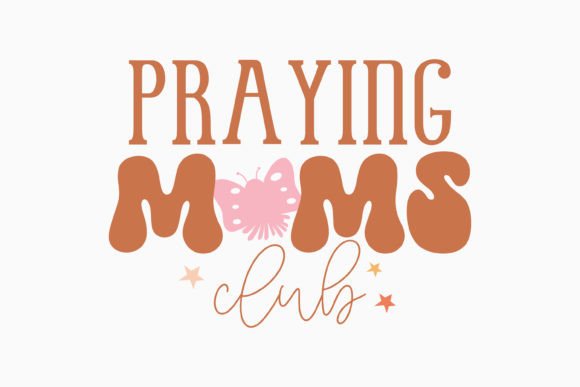
Praying Moms Club: A Designer’s Embroidery Review
When evaluating a new machine embroidery design for my shop, I look beyond the digital preview. I need to know how the artwork translates from screen to fabric, especially when the theme carries emotional weight like motherhood and faith. The Praying Moms Club design immediately caught my attention as a potential staple for my spring and Mother’s Day collections. As a retro-inspired graphic that bridges the gap between vintage aesthetics and modern sentiment, it promises versatility. However, before listing any handmade product or committing to a production run, I always assess the practical realities of stitching, fabric compatibility, and customer appeal. Here is my professional breakdown of using this design in real-world scenarios.
First Impressions and Retro Aesthetic Appeal
The visual personality of Praying Moms Club leans heavily into the nostalgic, warm vibe that currently dominates the Etsy seller market. The retro typography suggests a layout that likely utilizes bold shapes or distressed textures, which can be visually striking but technically demanding in embroidery. When I first opened the source files, noting the inclusion of EPS and SVG formats at 300dpi, I was pleased with the vector quality. For those of us working in Crafts and Graphics, having clean vectors is essential for resizing without losing edge definition.
The mood this design creates is one of comfort and community. It does not feel sterile or overly religious; instead, it feels like a cozy sweatshirt you would grab for a Sunday morning coffee run. This specific emotional resonance is what sells custom apparel. Customers are not just buying a shirt; they are buying an identity. As a designer, I appreciate that the color palette appears adaptable. The note regarding "100 Color Changeable" options is significant because it allows me to match thread colors to specific garment dyes, ensuring the finished product looks cohesive rather than like a generic stock transfer.
Real-World Application: The Sweatshirt Test
To truly judge this embroidery file, I mentally placed it on a heavyweight cotton fleece sweatshirt, which is my current best-seller for mom-focused merchandise. In this scenario, Praying Moms Club serves as a center-chest or full-back placement. The retro style demands visibility, so shrinking it down to a tiny pocket logo might diminish its impact.
For a sweatshirt embroidery project, stitch density is my primary concern. Retro designs often mimic printed ink, which can lead to excessive stitch counts if digitized as solid fills. If this design relies heavily on fill stitch areas to create that vintage texture, I must ensure the backing is substantial enough to prevent puckering on stretchy fleece. Conversely, if the design uses running stitch or redwork styles to achieve the retro look, it will stitch out faster and sit lighter on the fabric, making it more comfortable for all-day wear. I also considered how this would work as a tote bag design. Canvas totes are forgiving, but the design needs enough contrast to be readable from a distance at a craft fair. The bold nature of this quote suggests it would perform excellently on natural canvas, provided the thread colors offer sufficient contrast against the unbleached fabric.
Navigating Fabric Limitations and Hoop Sizes
While Praying Moms Club is versatile, it requires careful placement decisions based on material. I would exercise caution when applying this to thin, sheer fabrics or highly textured surfaces like terry cloth towels. Intricate retro details can get lost in the pile of a tea towel, and heavy satin stitches can tear through lightweight voile or linen. For baby embroidery items, such as bibs or onesies, the design size must be scaled down significantly. This brings up a critical technical check: Does the lettering remain legible at smaller sizes? Retro fonts often have thin connecting lines that can disappear or cause thread breaks when reduced below three inches.
Hoop size selection is another practical constraint. If you are working with a standard 4x4 hoop, verify that the design fits comfortably with adequate margin for stabilization. Overstretching fabric to fit a design leads to distortion. For larger placements on aprons or pillow covers, a 5x7 or 6x10 hoop is ideal to maintain the integrity of the quote's spacing. I also advise testing on curved surfaces like caps only if the design has been specifically digitized for cylindrical framing. Flat retro quotes often distort on the curve of a hat unless the baseline is arched correctly in the software.
Technical Notes for Professional Results
Before running Praying Moms Club on a sellable garment, I always recommend a structured testing protocol. Even though the product description states it is "Ready to print" and includes source files, embroidery machines interpret data differently than printers do. Always stitch a test swatch on scrap fabric that matches your final project's weight and weave. Check the stabilizer choice; cutaway backing is usually superior for knit apparel to prevent tunneling, while tear-away may suffice for woven tote bags.
Pay close attention to thread colors and contrast. Because the design allows for easy color changes, take advantage of this to enhance readability. Test the design in black and white mockups first to ensure the value contrast holds up regardless of hue. If you plan to offer this as a personalized gift, consider where customization text would sit relative to the main graphic. You do not want to overcrowd the retro elements. Additionally, inspect small details under magnification after your test stitch-out. Are there jump stitches that need trimming? Is the satin stitch width consistent? These micro-details define the difference between a hobbyist craft and a professional small shop product.
Commercial Viability and Brand Consistency
For creative entrepreneurs and commercial embroidery businesses, licensing and asset management are as important as stitch quality. The inclusion of EPS and SVG source files is a massive advantage for branding. It allows you to create matching printable mockups, social media graphics, and packaging stickers that perfectly align with your embroidered goods. This consistency builds customer trust and elevates perceived value.
However, always confirm the specific license terms regarding digital redistribution versus physical sales. While the files are included, ensure you are permitted to use them for the intended volume of Etsy listings or boutique inventory. When marketing this design, focus on the emotional connection. Use keywords like holiday embroidery, mothers day quote, and faith-based apparel naturally in your descriptions. Highlight that the design is optimized for specific products, such as "perfect for heavy cotton tees" or "ideal for nursery decor," rather than claiming it works for everything. Specificity sells.
Final Verdict for Makers and Sellers
Praying Moms Club represents a strong addition to a maker's library, particularly for those targeting the maternal and faith-based niche. Its retro styling aligns with current trends, and the technical specifications suggest a high-quality digital embroidery file. Success with this design lies in respecting the relationship between the artwork and the substrate. By conducting proper tests, selecting appropriate stabilizers, and leveraging the editable vector files for cohesive branding, you can transform this graphic into a profitable and meaningful embroidery project. Whether you are creating a heartfelt holiday gift or stocking your online store for Mother’s Day, this design offers the warmth and quality necessary to resonate with today’s buyers.