Groovy Mama: A Designer’s Embroidery Review
When evaluating a new machine embroidery design for my shop, I look past the digital mockup and imagine the needle hitting fabric. The "Groovy Mama" retro Mother’s Day graphic immediately caught my eye as a potential staple for spring collections. As a designer who balances aesthetic trends with production reality, I approached this file not just as a cute graphic, but as a functional asset for custom apparel and personalized gifts. The retro typography suggests a nostalgic warmth, but the true test lies in how those curves translate into thread on a textured sweatshirt or a structured tote bag.
First Impressions and Retro Aesthetic Viability
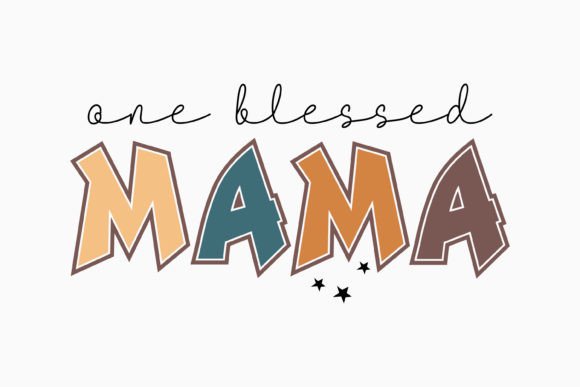
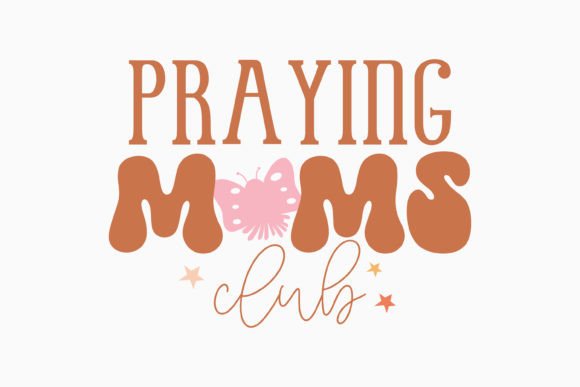
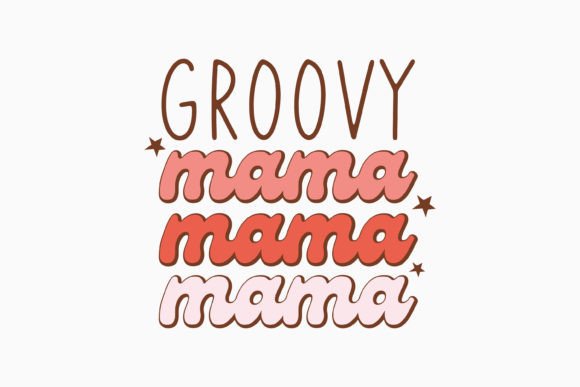
The visual personality of Groovy Mama is undeniably strong. It captures that specific 70s-inspired bubble lettering trend that currently dominates the Etsy seller marketplace and boutique retail spaces. From a design perspective, the layout feels balanced. The letters have enough weight to support various stitch types without looking spindly or overly dense. For a handmade product, this balance is crucial; you want the design to feel substantial but not like a bulletproof vest on the chest of a t-shirt.
What stands out most is the versatility implied by the vector source files. Having access to EPS and SVG formats at 300dpi means I am not locked into a single colorway or size. This is vital for commercial embroidery workflows where we might need to adapt the same "Groovy Mama" concept for a pastel baby onesie and a high-contrast adult denim jacket. The ability to easily change colors allows for rapid prototyping of printable mockups before committing to physical sampling, saving both time and thread.
Real-World Application: Stitching Out the Sweatshirt Test
To truly judge this design, I mentally ran through a recent client project involving heavyweight cotton fleece sweatshirts. Retro designs like Groovy Mama live or die based on their interaction with fabric texture. Fleece has a pile that can swallow fine details, so I assessed the line weight of the lettering. The bold, rounded shapes here are ideal for sweatshirt embroidery because they provide enough surface area for the thread to anchor securely without getting lost in the nap.
In this scenario, I would likely utilize a combination of satin stitch borders and fill stitch interiors. The smooth curves of the retro font lend themselves beautifully to satin columns, which create that signature shiny, raised edge that customers associate with high-quality craft business goods. However, because the letters are wide, managing stitch density becomes the primary technical consideration. If the fill is too dense, the sweatshirt will pucker; if it is too loose, the fabric grain will show through. Since the product description highlights editable source files, I would recommend adjusting the density parameters specifically for fleece rather than relying on a generic setting intended for woven cotton.
For a tote bag design, the application shifts slightly. Canvas is unforgiving and flat. Here, Groovy Mama would perform exceptionally well as an applique design. Using the SVG outline as a cutting guide for fabric applique reduces the total stitch count significantly while adding a tactile, mixed-media element that elevates the perceived value of the finished product. This approach also makes the design more durable for items that face heavy wear and washing, such as market bags or nursery decor.
Navigating Fabric Limitations and Hoop Constraints
While the retro vibe is universally appealing, practical execution requires caution depending on your substrate. I always advise testing on scrap fabric first, especially when working with stretchy knits or performance fabrics often used in modern baby embroidery. The wide horizontal span of "Groovy Mama" creates significant pull in one direction. Without proper stabilization, this can distort the garment neckline or cause the design to cup after washing.
When considering smaller applications, such as an embroidered patch or a sleeve logo, scaling down presents challenges. Retro fonts often feature tight interior counters (the negative space inside letters like 'o', 'a', and 'g'). If reduced below a certain threshold for a cap or pocket placement, these areas may close up during stitching. Always verify your minimum hoop size requirements against the smallest legible version of the design. For caps specifically, the curvature of the brim can distort wide horizontal text. You may need to arc the design digitally using the included vector files to compensate for the cylindrical shape of the hat frame.
Dark fabrics present another variable. While the design includes 100 changeable color options, contrast is king in embroidery. A cream-colored Groovy Mama on a navy sweatshirt reads clearly from a distance, whereas a muted sage green on grey heather might vanish. Before running a full production batch for your small shop product line, run a black-and-white contrast check on your digital proof. If the values are too similar, the intricate retro details will be lost regardless of how beautiful the thread sheen is in person.
Technical Notes for Professional Results
As someone who reviews digital embroidery files regularly, I appreciate that this product includes source vectors. However, having the file is only step one. Here are my practical recommendations for integrating Groovy Mama into a professional workflow:
- Verify Licensing: Before listing any personalized gift or apparel for sale, confirm the specific commercial license terms included with the file. Ensure you are permitted to sell finished embroidered goods versus just digital assets.
- Stabilizer Selection: For knit t-shirts, use a cut-away stabilizer to prevent distortion over time. For woven tote bags or aprons, a tear-away may suffice, but test for residue in the detailed corners of the retro lettering.
- Thread Color Testing: With 100 color possibilities available, avoid guessing. Create a physical thread chart sample. Retro palettes often rely on specific mustard yellows, burnt oranges, and avocado greens that vary wildly between thread brands. Match your physical thread to the digital preview to maintain brand consistency.
- Density Adjustment: Do not assume the default digitizing works for every material. Reduce density by 10-15% for thick fleece to prevent needle breaks and puckering. Increase underlay stitches for slippery or stretchy fabrics to create a stable foundation for the top stitches.
- Mockup Accuracy: When creating listings, use realistic textures in your printable mockups. A flat vector image does not convey the tactile quality of embroidery. Showing the design on a wrinkled linen towel or a fuzzy sweatshirt helps manage customer expectations regarding texture and scale.
Evaluating Value for Makers and Sellers
Ultimately, Groovy Mama succeeds because it bridges the gap between trendy aesthetics and functional geometry. It avoids the ultra-thin lines that plague many retro-inspired graphics unsuitable for needle and thread. For the Etsy seller or boutique owner, this design offers a reliable foundation for Mother’s Day merchandise, but its utility extends beyond the holiday. The timeless nature of the typography allows it to transition into general "mom life" apparel, grandmother gifts, or even ironic Gen-Z fashion pieces depending on your color choices and styling.
The inclusion of high-resolution source files adds significant long-term value. Instead of purchasing separate files for different sizes or variations, you possess the master assets needed to adapt the design for everything from a tiny bib to a large wall hanging. This flexibility is essential for maintaining profit margins in a craft business where customization is the primary selling point. By treating Groovy Mama as a customizable template rather than a static image, you unlock its full potential as a revenue-generating design asset.
Just remember that no digital file is perfect straight out of the box for every machine and fabric combination. Treat this review as a starting point for your own sampling process. Run the test stitch, check the registration, feel the drape of the fabric, and ensure the final result meets the quality standards your customers expect. When executed with attention to these technical details, Groovy Mama has all the ingredients to become a bestseller in your embroidery lineup.