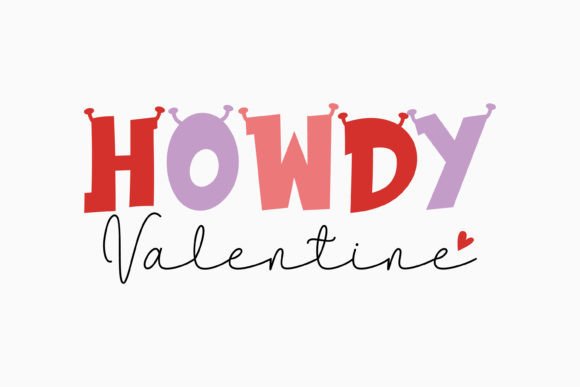
Howdy Valentine Retro SVG: An Embroidery Review
As a professional embroidery designer and product reviewer, I approach every new digital asset with a critical eye toward stitchability. When evaluating the Howdy Valentine Retro Valentines Day SVG, my primary concern is not just how it looks on a screen, but how it translates into thread on fabric. This design falls squarely within the Crafts and Graphics categories, targeting makers who need versatile assets for the upcoming holiday season. The retro aesthetic is currently dominating the handmade market, and this specific file promises easy color customization and high-resolution source files. However, before you load this into your machine or list a finished product in your Etsy shop, it is vital to understand how this vector graphic performs as a functional embroidery design.
First Impressions and Retro Aesthetic Appeal
Upon opening the EPS and SVG files, the first thing that stands out is the distinct vintage personality. The "Howdy" greeting paired with Valentine’s motifs creates a mood that is nostalgic yet playful, avoiding the overly saccharine look of traditional holiday graphics. For an embroidery project, this visual tone is excellent because it appeals to a broader demographic than standard heart-and-arrow designs. It feels appropriate for adult apparel, nursery decor, and unisex gifts. The layout appears balanced, which is crucial for digitizing; asymmetrical retro fonts can sometimes cause hoop distortion if not stabilized correctly, but this design seems structured well for various applications.
The inclusion of 300dpi source files is a significant advantage for those of us who digitize our own machine embroidery designs. High-resolution vectors mean cleaner edges when converting to stitch files, reducing the jagged artifacts that often plague low-quality downloads. Whether you are creating a custom apparel line or a single personalized gift, starting with crisp lines ensures your satin stitch borders and fill stitch areas remain sharp after washing.
Real-World Application: Stitching a Crewneck Sweatshirt
To truly evaluate this asset, I considered a real-life scenario relevant to many small business owners and crafters: producing a retro Valentine’s crewneck sweatshirt for a boutique collection. Sweatshirts are a staple for Etsy sellers during the winter months, and the Howdy Valentine Retro Valentines Day SVG is ideally suited for this medium. The fleece texture of a sweatshirt can sometimes swallow fine details, so the bold, retro lettering in this design is a practical choice. Thin, script fonts often get lost in the pile of fleece, but this design’s weightier aesthetic allows for better stitch definition.
In this application, I would utilize the "easy change color" feature mentioned in the product description. Retro palettes often rely on muted pinks, creams, and rust tones rather than bright primaries. Being able to quickly adjust the thread colors in your embroidery software or cutting software allows you to match current fashion trends without redigitizing. For a commercial embroidery run, this efficiency matters. You could offer the same design in three different colorways—perhaps one for baby embroidery on pastel onesies, another for adult sweatshirts in earth tones, and a third for kitchen towels in classic red and white—all from the same base digital embroidery file.
Navigating Fabric Textures and Hoop Limitations
While the design is versatile, experienced makers know that no graphic works everywhere. When adapting this SVG for embroidery, you must consider the substrate. If you are planning a tote bag design using canvas, the design will likely stitch out beautifully with minimal stabilizer. Canvas provides a stable foundation for dense fill stitches and complex satin columns often found in retro typography.
However, caution is required for stretchy fabrics or textured surfaces like terry cloth tea towels. Stretchy knits require a cut-away stabilizer to prevent the design from distorting during wear. If the Howdy Valentine Retro Valentines Day SVG contains intricate internal details, these may become muddy on high-pile fabrics unless you use a water-soluble topping. Always test the design on scrap fabric first. I cannot stress this enough for anyone running a craft business; a test sew reveals whether the stitch density is too high for delicate baby clothes or too sparse for a structured cap. Furthermore, verify your hoop size compatibility before purchasing. Retro designs can be deceptively wide, and resizing them down significantly may render small text illegible once stitched.
Commercial Viability for Makers and Sellers
For creative entrepreneurs, the value of a design lies in its return on investment. This asset supports multiple revenue streams. Beyond physical products like embroidered patches and aprons, the high-quality SVG format makes it suitable for printable mockups and digital product previews. If you sell heat transfer vinyl or sublimation transfers alongside your embroidered goods, having a consistent design asset across mediums strengthens brand recognition.
The "100 Color Changeable" aspect suggests robust layering in the source file. This is essential for professional presentation. When listing a handmade product online, customers trust sellers who show accurate color representations. Being able to generate realistic mockups in various color combinations helps buyers visualize the final product, increasing engagement and sales. Just ensure you confirm the licensing terms regarding commercial use. While the file includes source formats, always verify if you are permitted to sell finished items, digital derivatives, or both. Protecting your business means respecting intellectual property while maximizing your design assets.
Technical Considerations for Digitizing Success
Transitioning from a vector graphic to a machine embroidery design requires technical foresight. Here are practical notes for using the Howdy Valentine Retro Valentines Day SVG effectively:
- Check Stitch Density: Retro designs often mimic printed ink. Ensure your digitizing software converts these areas to appropriate stitch types. Large solid areas should be fill stitches with proper underlay, not dense satin stitches which can cause puckering.
- Evaluate Small Details: If the design includes tiny hearts or periods in the text, determine if they are large enough to stitch clearly. Anything under 1mm may need to be enlarged or removed to prevent needle breaks and thread bunches.
- Contrast Testing: Test the design in black and white before committing to color. This reveals whether the design relies solely on color contrast or has sufficient structural contrast to stand alone. This is vital for monochrome embroidery projects.
- Stabilizer Selection: Match your stabilizer to the end-use. A holiday gift meant for frequent washing needs durable backing, whereas a decorative pillow cover might allow for tear-away options.
- Mockup Verification: Use the SVG to create digital previews, but always photograph a physical sample for your listing. Customers appreciate seeing actual stitch texture versus a flat digital rendering.
Final Thoughts on Design Versatility
The Howdy Valentine Retro Valentines Day SVG offers a strong foundation for seasonal crafting and commercial production. Its retro charm aligns perfectly with current market desires for nostalgic, cozy aesthetics. By approaching this file with a technician’s mindset—testing on appropriate fabrics, verifying hoop constraints, and respecting stitch physics—you can transform a simple digital graphic into a high-value handmade product. Whether you are stitching a custom apparel piece for a client or building inventory for a craft fair, this design provides the flexibility and quality necessary for professional results. Remember, the best embroidery projects start with smart design choices long before the needle hits the fabric.