Retro Dog Quote Dog Mom: An Embroidery Review
As a designer who spends more time behind an embroidery hoop than a computer screen, I approach every new digital asset with a healthy dose of skepticism. When evaluating the Retro Dog Quote Dog Mom design, my first thought wasn't about how cute it looks on a monitor, but how it will behave under the needle. This graphic sits squarely in the Crafts and Graphics category, promising versatility for t-shirts, posters, and mugs. However, for those of us in the machine embroidery business, a vector file is only as good as its translation into thread. After reviewing the source files and visualizing the stitch-out process, here is my practical assessment of using this retro-inspired artwork for real-world handmade products and commercial embroidery projects.
First Impressions and Retro Aesthetic Viability
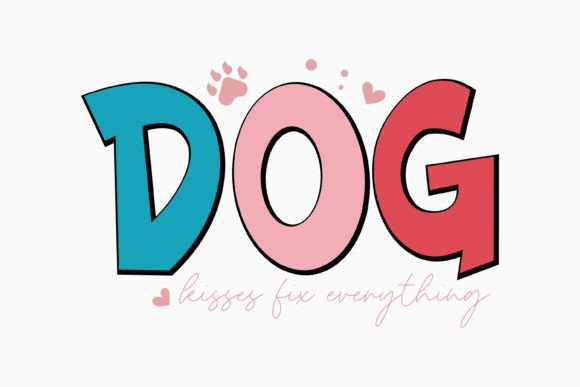
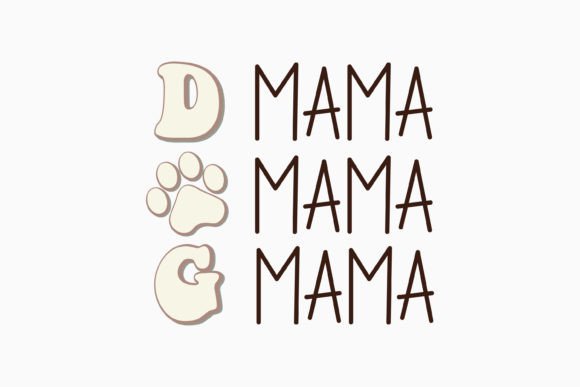
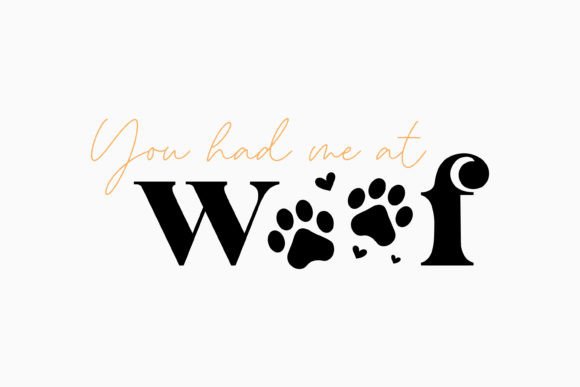
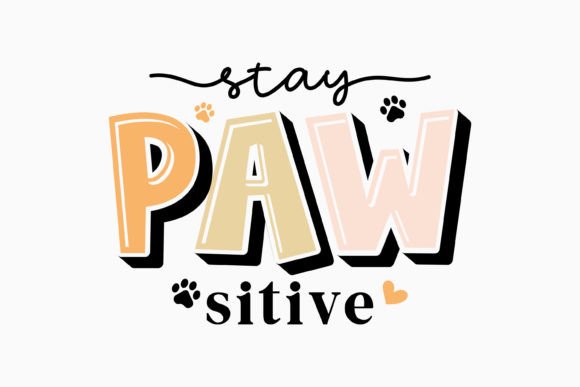
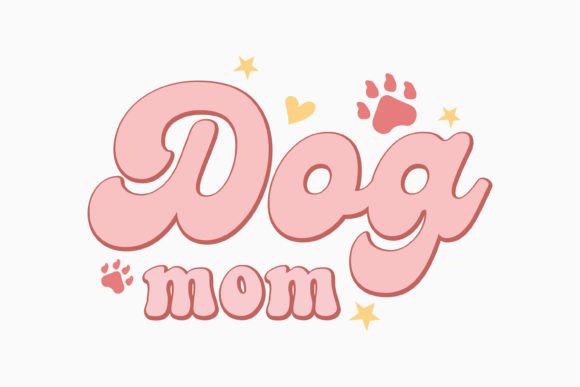
The visual personality of Retro Dog Quote Dog Mom immediately evokes a sense of nostalgic warmth. The layout suggests a balanced composition where typography and illustration support rather than compete with each other. For an embroidery designer, this balance is critical. Retro styles often rely on bold shapes and distinct color blocking, which translates exceptionally well to satin stitch borders and fill stitch areas. Unlike hyper-realistic designs that require thousands of density changes and risk puckering lightweight fabrics, this aesthetic naturally lends itself to clean, manageable stitch paths.
The mood is playful yet polished, making it ideal for custom apparel and personalized gifts. It avoids the cluttered look that often plagues novice digitizing, suggesting that the underlying vectors are clean. When I look at this design, I see a strong candidate for sweatshirt embroidery and tote bag designs where the retro vibe aligns perfectly with current market trends. The "Dog Mom" sentiment adds emotional resonance, increasing the perceived value of the finished product for buyers seeking relatable, giftable items.
Real-World Application: Stitching a Custom Sweatshirt
To truly judge this asset, I mentally walked through a recent client request: a custom embroidered sweatshirt for a boutique pet shop owner wanting branded merchandise. She needed something that felt vintage but professional. Retro Dog Quote Dog Mom fits this brief precisely because the retro style forgives minor fabric texture variations better than fine-line art.
In this scenario, I would utilize the EPS or SVG source file to separate elements for optimal hooping. The quote portion could be executed in a sturdy satin stitch or a textured bean stitch to give it that authentic varsity feel, while the dog illustration would work beautifully as an applique design. Using applique here reduces overall stitch density, keeping the sweatshirt soft and wearable rather than stiff and bulletproof. This specific application highlights why having editable source files is non-negotiable; being able to convert solid fill areas into applique placements transforms a standard graphic into a premium embroidery file suitable for high-end retail.
Navigating Fabric Limitations and Hoop Constraints
While the design is versatile, experienced makers know that context dictates success. Retro Dog Quote Dog Mom requires careful consideration when applied to challenging substrates. If you are planning baby embroidery on delicate onesies, the retro lettering might be too dense. In such cases, I recommend testing a scaled-down version with running stitch outlines instead of full satin columns to prevent fabric distortion.
For cap embroidery, the curved surface presents unique challenges. Retro fonts often have uniform heights that can warp on a cylindrical frame. You may need to slightly arc the text within your digitizing software before stitching. Additionally, when working with dark fabrics, ensure the design includes adequate underlay or consider adding a white base layer to make the retro colors pop without sinking into the garment fibers. Textured fabrics like terry cloth or fleece also demand attention; the intricate details of the dog illustration could get lost in the pile. Always use appropriate stabilizer—cut-away for stretchy knits and tear-away for stable wovens—to maintain registration between the text and the graphic elements.
Color Strategy and Commercial Value
One of the stated features is the ability to easily change colors, with claims of up to 100 color options. For a craft business or Etsy seller, this flexibility is a massive asset. However, "100 color changeable" should be interpreted as creative freedom rather than a literal instruction. In commercial embroidery, excessive color changes kill profitability due to increased production time and thread waste.
I advise limiting your palette to three or four cohesive thread colors that match your brand identity or the specific garment. The retro aesthetic actually thrives on limited palettes. Think mustard yellow, burnt orange, and cream for autumn collections, or teal and coral for summer markets. This restraint not only speeds up production but also creates a more sophisticated finished product. When listing these items online, use printable mockups to showcase different colorways without having to stitch every variation. This allows you to test buyer engagement and validate which color combinations resonate most before committing to inventory.
Essential Pre-Production Checks for Makers
Before you load Retro Dog Quote Dog Mom into your machine for a paid order, run through this practical checklist to protect your reputation and materials:
- Verify File Integrity: Although EPS and SVG files are included at 300dpi, confirm they import correctly into your specific embroidery software. Vector paths sometimes shift during conversion, so inspect all nodes before generating stitch files.
- Test Stitch Density: Run a sew-out on scrap fabric identical to your final project. Check if the satin stitches are pulling the fabric or if the fill stitches are too sparse. Adjust density parameters based on your machine’s tension and the specific thread weight you use.
- Check Licensing Terms: The description mentions source files, but always verify whether your purchase includes commercial rights for selling finished embroidered goods versus just personal use. Clarify if you can sell the digital embroidery file itself or only physical products made from it.
- Evaluate Small Details: Zoom in to 100% and identify any text or lines thinner than 1mm. These may need to be thickened or removed entirely to prevent needle breaks and poor coverage on woven fabrics.
- Mockup Validation: Create black and white mockups alongside color versions. If the design loses readability without color, the contrast values need adjustment. A strong embroidery design must hold up structurally even in monochrome.
Final Thoughts on Design Assets for Small Business
Retro Dog Quote Dog Mom represents a solid foundation for creative entrepreneurs looking to expand their catalog with trending, emotionally resonant graphics. Its strength lies in its adaptability; it serves equally well as a centerpiece for a holiday embroidery project or a subtle accent on a kitchen towel. The inclusion of editable source files empowers skilled digitizers to optimize the art for specific applications, moving beyond generic outputs to create truly customized handmade products.
However, treat this graphic as a starting point, not a finish line. Success in apparel decoration and digital product sales comes from understanding how vectors interact with thread and fabric. By respecting stitch physics, testing rigorously, and applying thoughtful color theory, you can transform this retro design into a bestseller that builds customer trust and showcases your professional craftsmanship. Whether you are creating personalized gifts for individual clients or building stock for a small shop product line, this design offers the right blend of charm and utility when executed with technical precision.