School Psycholog Retro Mental Health Svg Graphics
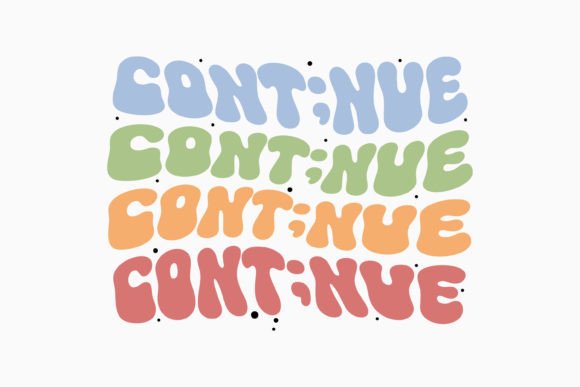
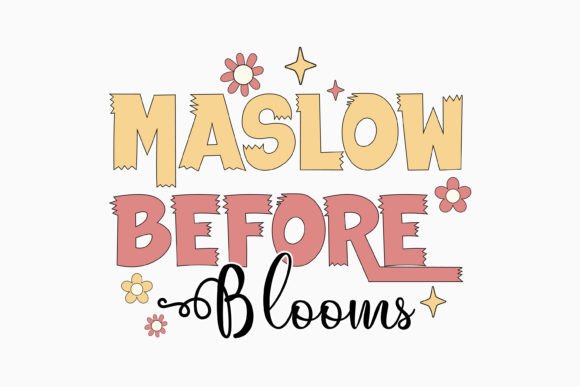
As a digital publisher and blog designer constantly sourcing assets for mental health and education niches, my first impression of the School Psycholog Retro Mental Health Svg was one of immediate editorial utility. In the current landscape of content marketing, there is a distinct fatigue regarding sterile, clinical stock photography in wellness spaces. This graphic design asset counters that trend by leveraging a nostalgic, warm aesthetic that feels approachable rather than diagnostic. The retro typography and vintage color palette suggest a mood that is both professional and deeply human, making it an exceptional choice for creators who need to bridge the gap between academic authority and emotional accessibility.
When evaluating this asset for real-world publishing workflows, it becomes clear that it serves as more than just a decorative element; it functions as a strategic visual anchor. For bloggers and online educators, the design communicates safety and understanding before a reader even engages with the headline text. It naturally supports content niches focused on school counseling, child psychology, teacher self-care, and neurodivergent advocacy. Unlike generic mental health icons, this specific SVG carries a personality that aligns perfectly with lifestyle-focused educational content, helping to establish immediate reader trust through thoughtful visual communication.
Strengthening Editorial Hierarchy and Click-Through Rates
In my experience designing featured images for high-traffic blogs, visual hierarchy is the primary driver of click-through potential. The School Psycholog Retro Mental Health Svg excels here because its bold, retro lettering creates natural negative space for overlay text without sacrificing legibility. When used as a website header or blog thumbnail, the graphic draws the eye effectively on both desktop and mobile feeds. For affiliate marketers and content creators, this means the asset can directly influence performance metrics by making article previews stand out in crowded social media feeds and search results.
The versatility of this file format cannot be overstated for digital publishers. Because the source file includes EPS and SVG formats at 300dpi, I was able to scale the graphic from a small newsletter icon to a massive hero banner without any pixelation or loss of quality. This scalability is essential for maintaining brand identity across different platforms. Whether you are creating Pinterest pins, Instagram carousels, or YouTube thumbnails, having a vector-based asset ensures your visual branding remains crisp and professional. The ability to easily change colors allows publishers to adapt the graphic to seasonal campaigns or specific category color codes without needing to purchase multiple variations.
Practical Applications for Digital Products and Lead Magnets
Beyond standard blog graphics, this asset proves invaluable for monetization strategies involving digital downloads. As a printable design element, it translates beautifully onto physical merchandise like t-shirts, mugs, and posters, which opens up revenue streams for creative entrepreneurs using print-on-demand services. However, its value extends deeply into the realm of digital products. I found it particularly effective when designing covers for PDF guides, worksheets, and checklists intended for school psychologists or parents.
- Digital Guide Covers: Use the SVG as the central focal point on eBook covers to signal the topic instantly while maintaining a polished, commercial design aesthetic.
- Lead Magnet Visuals: Incorporate the graphic into opt-in forms and landing pages to increase perceived value and conversion rates for email lists.
- Canva Template Creation: Import the SVG into Canva to create reusable templates for social media posts, allowing for consistent branding across hundreds of pieces of content.
- Worksheet Headers: Utilize the design as a recurring header in educational printables to reinforce brand recognition and add visual interest to text-heavy documents.
- Newsletter Banners: Resize the asset to fit email headers, providing a cohesive visual link between your website content and subscriber inbox experiences.
For those involved in small business branding, the inclusion of editable source files means this single purchase can anchor an entire visual system. The retro style pairs exceptionally well with modern sans-serif body copy for a balanced, contemporary look, or with handwritten fonts for a more personal, journal-style aesthetic. This flexibility makes it a staple asset for creative marketplaces where unique, adaptable graphics are always in demand.
Navigating Visual Context and Audience Perception
While the School Psycholog Retro Mental Health Svg is highly versatile, experienced publishers must apply it with intentionality. The retro aesthetic works best when the surrounding content matches its warmth. It is ideal for articles discussing coping strategies, career reflections, student support tips, and community building. However, I would advise caution when using this specific style for content addressing acute trauma, crisis intervention, or highly clinical legal disclosures. In those instances, the playful nostalgia might inadvertently minimize the gravity of the subject matter. Always audit the emotional tone of your copy against the visual mood of the graphic to ensure alignment.
Furthermore, consider the technical presentation within your web design. While the SVG is lightweight and performance-friendly, how you display it matters. Test the graphic against your site’s background colors to ensure sufficient contrast, especially if you modify the default palette. A low-contrast retro design can become illegible on smaller mobile screens, negatively impacting user experience and accessibility. I recommend previewing the asset inside your actual blog layout template before publishing to verify that it complements rather than competes with your headline typography.
Publisher Checklist for Commercial Implementation
Before integrating this graphic design asset into monetized websites or paid content products, run through this practical quality assurance workflow. These steps ensure that your use of the asset supports professional standards and protects your business interests.
- Verify Licensing Terms: Confirm that the commercial license permits your specific intended use, particularly if you are selling physical products or including the graphic in a paid digital bundle.
- Test Cross-Platform Rendering: View the exported PNG or SVG on iOS, Android, and various browsers to ensure colors render consistently and no details are lost.
- Check Thumbnail Legibility: Shrink the image to 200px wide to simulate a sidebar or feed preview; if the text becomes unreadable, adjust the stroke weight or simplify the composition.
- Optimize File Size: Even though SVGs are small, embedded metadata can bloat files. Run the asset through an optimizer to maintain fast page load speeds for SEO.
- Audit Color Accessibility: If changing colors, use a contrast checker to ensure the new palette meets WCAG standards for visual impairment accessibility.
- Review Font Pairings: Test the graphic beside your site’s primary heading and body fonts to ensure the retro style doesn’t clash with your existing brand identity.
Ultimately, the School Psycholog Retro Mental Health Svg represents a smart investment for digital publishers operating in the education and wellness sectors. It solves the common problem of finding visuals that feel authentic rather than corporate. By leveraging this asset across blog graphics, social media visuals, and digital products, creators can build a cohesive, trustworthy brand presence that resonates with their audience. The combination of editable vectors, high-resolution readiness, and strong stylistic character makes it a reliable tool for elevating content quality and supporting sustainable growth in competitive creative niches. Whether you are crafting a new lead magnet or refreshing your site’s visual identity, this asset provides the professional polish necessary to convert casual visitors into loyal readers and customers.